







‘A Lethal Cocktail’: Mexico’s Business Leaders Sound Alarm on Crime and Trade Tensions
Juan José Sierra Álvarez has a stark warning for his country: Mexico is squandering a historic economic opportunity.
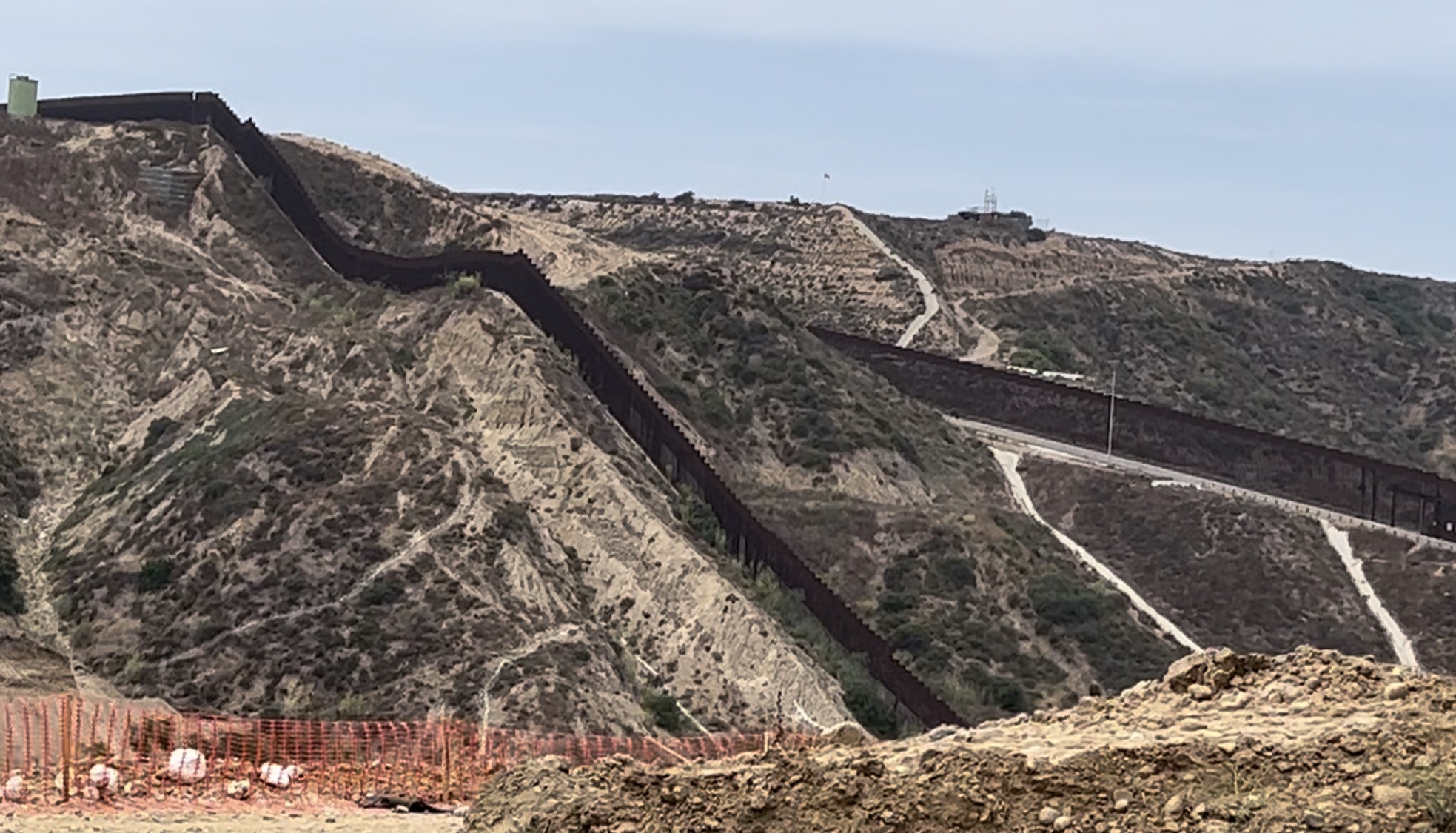
Speaking at a gathering of business leaders in Tijuana, the president of COPARMEX, Mexico’s largest business confederation, described how rampant crime and uncertainty over trade policy have combined to stifle investment and economic growth just as global companies seek to relocate their supply chains closer to the United States.
“It’s a very risky combination where insecurity is combined with a lack of certainty,” Mr. Sierra said in an impromptu press conference during the National Assembly of its associates that concluded this past weekend in the border city.
“If you add to that the uncertainty from the tariff issue, you have a cocktail of uncertainty that is not good for the country,” he added.
The consequences are already evident.
Business confidence has collapsed to levels not seen since the pandemic, with the appetite for investment dropping 11.8 percentage points in late 2024, according to COPARMEX surveys. Mexico is now expected to grow just 0.3 to 0.4 percent this year — essentially zero — even as it sits next door to the world’s largest economy.
“It’s incredible that we’re in a great opportunity for Mexico with the relocation of supply chains next to our great trading partner, the United States, and we have estimated growth for 2025 of only 0%,” Mr. Sierra said.
When COPARMEX asked members what was driving their pessimism, they cited three factors in order: insecurity, political instability and lack of legal certainty.
“I’m talking about the last four months of 2024, before the Trump effect,” Mr. Sierra emphasized, making clear the problems are homegrown.
Crime has become an existential threat to Mexican businesses.
Half of COPARMEX’s members have been victims of at least one crime, with robbery and extortion topping the list. Extortion, which has surged 83 percent over the past decade, has become what Mr. Sierra called “the most expensive tax that businesspeople pay.”
“Extortion is the crime that has thousands of businesspeople across the country on their knees,” he said. “It’s the crime that kills micro, small and medium-sized businesses in the country.”
The economic toll is severe.
Mexican businesses now spend 20 percent more of their budgets on security than they did previously. “Imagine if that 20%, instead of being invested in security, were invested in improving workers’ salaries, improving facilities, expanding sales capacity,” Mr. Sierra said.
Another drag on growth is Mexico’s vast informal economy, which accounts for 56 percent of economic activity nationally and more than 75 percent in some southern states. “There cannot be social development if there’s 56% informality in the country,” Mr. Sierra said.
He argued that formalizing these businesses could unlock enormous potential. Micro, small and medium enterprises, which generate 70 percent of Mexico’s employment, “could be five times more productive and generate four times more employment” if brought into the formal economy with proper support.
Mr. Sierra outlined three prerequisites for Mexico to attract investment: security, legal certainty and reliable energy. Recent constitutional reforms, including changes to the judiciary, have undermined investor confidence, he said.
“One of the most negative signals we’re sending as a country is precisely that the rules are changing,” he warned. “The signal we’re sending is that the rules do change, and worst of all, they change without consensus.”
The human cost is also mounting. In 2024, Mexico generated only 18 to 20 percent of the formal employment the country needs, even as 1.2 million young people enter the labor market annually. Each percentage point of growth Mexico loses represents 200,000 jobs that won’t be created, according to private sector estimates.
Throughout the interview, Mr. Sierra returned to a central theme: Mexico needs genuine dialogue among government, business and labor. “Mexico needs a lot of social dialogue — real dialogue, not fake dialogue, not dialogue among the deaf,” he said.
His message to policymakers was blunt: “We should be the first economy in Latin America at least. And today we’re growing below the average. Terrible numbers. It’s a reality that doesn’t correspond to us as a country.”
Editor´s note:
This text has been translated and refined using AI-powered proofreading tools to enhance clarity, grammar, and readability and reviewed by a human editor from the Tijuanapress team.